
Meanwhile, get a smart scale to track weight and body fat percentage changes to achieve better results (17). The most important part is to be as consistent with your weighing routine as possible, this means limiting variables on a daily basis. Sometimes, it’s better to weigh-in weekly or stop obsessing over a scale.
Some men may lose as little as 0.5% of their body weight in sweat per hour of moderate exercise, while others can lose up to 2% or more during intense sessions. This means a 180-pound man could shed anywhere from under a pound to nearly four pounds of water weight during one workout. “Your clothes will fit better, your posture will be better and you’ll walk taller,” Sharp says.
This variation is a normal part of the body’s processes and is primarily due to changes in water and food weight rather than actual gains or losses in fat or muscle mass. Other elements like bowel movements, menstrual cycles, and stress levels can affect weight. For example, stress can lead to both weight gain (due to stress-eating) and weight loss (due to loss of appetite). Another benefit is that you may feel more driven to stay on track when you see small losses throughout the week. A study from April 2015 followed 47 obese men and women who used the same diet and eating plan over six months. Those who tracked their weight daily lost an average of 13 pounds more than those who didn’t track frequently.
How To Lose Weight
If you exercise too hard on a daily basis, there is an excess of inflammation in your body. All the added up inflammation makes you gain more weight than lose. The most accurate time to weigh yourself is first thing in the morning, after using the bathroom and before eating or drinking anything.
What to eat between fasts
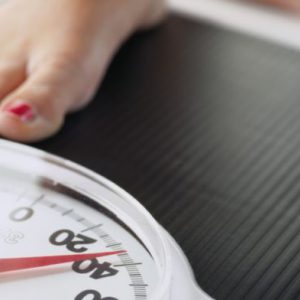
It’s also important to note that for some people, keeping such a close eye on those numbers might not be the best thing. A 2019 study suggests daily measurements lead to greater weight loss when compared with groups of people who have less frequent patterns. And the scale on the floor isn’t the only measuring tool available to you.

Anything you wear or add can change weight slightly, but it shouldn’t change too much or increase steadily. Seeing a pound extra each day over time when weighing yourself the same way may indicate gradual weight gain. True weight refers to your harna app review most basic weight at the same weigh-ins daily or weekly. If you weigh yourself naked right after your morning bathroom visit today, you’ll weigh yourself the same way next time.
Water Retention and Muscle Recovery
The American Council on Exercise recommends “meal timing.” Your glycogen stores have been depleted by your workout and you should eat within 30 to 60 minutes of working out. If you are new to running, this measure can be helpful to motivate you to train and get back in physical shape. This being said, to obtain a more reliable and precise measurement, you need to know the proportion of fat and muscle mass in your body by consulting a specialist. Ultimate Nutrition is your partner in achieving your health goals, from our insightful blog to killer workout routines. Remember, the scale is just one tool among many in your fitness arsenal.
Best Post-Workout Foods for Muscle Recovery, Growth, and Heart Health
This will allow your body to digest the food and eliminate any temporary weight fluctuations. Smart scales connect to an app to automatically track your weight loss progress. They also measure things other than weight, like body fat percentage and muscle mass, which can give you a better overview of your health as a whole. For the best indication on where your weight stands, weigh yourself only once a week instead of every day.
However, if weight gain or loss is causing concern, a person should talk to their doctor. The exact time that a person weighs themselves each day is less important than the consistency. To track weight loss or weight gain, people should always weigh themselves at roughly the same time of the day. True weight gain occurs when you eat more calories than you burn. One pound of fat is equal to about 3,500 calories, notes Harvard Health.
Is Weighing Yourself Immediately After Eating Accurate? Exploring the Truth
If you’re trying to keep your weight in-check, weighing yourself regularly can be key to staying on track. And while weighing yourself seems like a fairly straightforward procedure, there are many common mistakes people make that can lead to inaccurate readings. Semaglutide, another GLP-1 analogue (similar to liraglutide), has been used to control blood sugar in type 2 diabetes since 2017. Keep living like you already do, take a daily pill, and effortlessly lose your excess weight. This is why weight loss medicines are a billion dollar industry. In an effort to improve fat-burning, thereby increasing ketone levels, you may consider adding intermittent fasting or exercise to your routine (see tips #14 and #15 above).
Health Conditions
Also, avoid weighing yourself after breakfast or two-morning cups of coffee. That said, some factors that are within your control can tip the scale in one direction or the other. And since weight fluctuates naturally, having a pre-scale routine helps ensure you get the most accurate, consistent readings possible. “First thing in morning and after dinner are not comparable,” says Lauren Harris-Pincus, R.D., author of The Protein-Packed Breakfast Club. “If you’re trying to track progress, your weighing circumstances need to be the same.”
- Your weight fluctuates by 1-5 pounds daily because of water retention (3).
- This can lead to long-term weight loss and improved overall health (8).
- Indeed, there are many other indicators than just the scale that you’re getting healthier.
- The number will be lower than your true “dry” weight because you haven’t rehydrated yet.
- Our water content also increases when we consume foods higher in salt.
- Many nutritionists recommend weighing yourself once a week to avoid obsessing over day-to-day fluctuations caused by water weight, hormones, and other factors that are out of your control.
Follow This Pre-Scale Routine To Make Sure Your Weigh-Ins Are Accurate
Instead, some people will see the normal daily weight fluctuations I mentioned before and panic or feel depressed or make changes to their diet/workout that didn’t need to be made. Chronic stress and inadequate sleep may increase levels of stress hormones such as cortisol in your body. Although this often demands substantial changes, it may immediately affect your stress hormone levels and perhaps your weight. However, there’s some evidence that frequent snacking may not be wise when trying to lose weight.12 Some people only eat once or twice a day and never snack.
Eat less dairy products and nuts
During exercise, the body loses water primarily through sweat. This fluid loss can cause an immediate decrease in weight that doesn’t reflect actual fat loss or muscle gain. Instead, it’s mainly water weight fluctuating due to hydration levels. The next time you should avoid jumping on the scale is after eating a lot of salty foods.
Use Other Metrics to Track Progress
The concern that this “urge to binge” will blow their diets completely leads them to obsessively snack all the time. In addition, higher satiety eating can help you lose excess weight with minimal hunger, and it is compatible with low carb and keto eating. Knowing where you fit within this range provides context when interpreting immediate post-exercise weights—large drops often represent fluid deficits rather than true mass loss. Focusing solely on scale numbers misses key insights about fitness progress. Muscle weighs more than fat by volume but takes up less space; therefore changes in muscle mass may not reflect as large drops on the scale even though your physique improves significantly. Over-drinking can be risky too, especially during very long events.
